Is Tesla Insurance More Expensive? What Owners Need to Know Before Buying Coverage
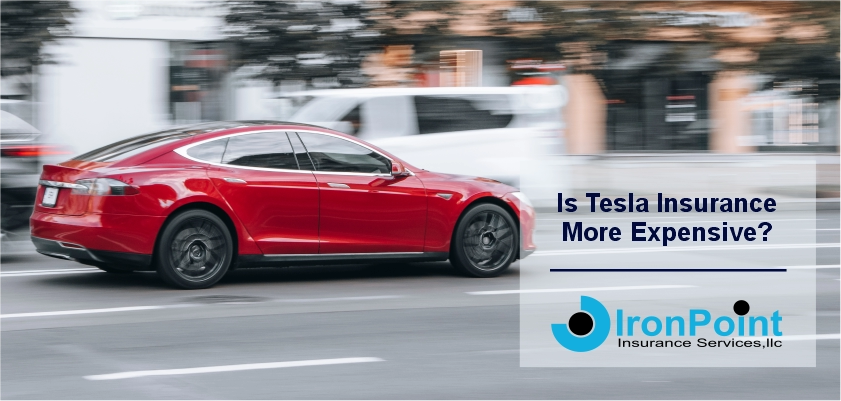
Tesla changed the auto industry.
It also changed how insurance works—and not always in the direction you’d hope.
If you’ve shopped Tesla insurance and done a double-take at the quotes, you’re not imagining things. Insuring a Tesla typically costs more than insuring a comparable gas-powered vehicle, and the reasons go deeper than the badge on the hood.
The good news: Tesla owners have more insurance options than ever before.
The bad news: not every option is a good fit for every driver.
Here’s what you need to know before you buy—or renew.
Is Tesla Insurance More Expensive?
Usually, yes. And the reasons are legitimate.
Tesla’s cost more to repair than most conventional vehicles. That’s not a rumor—it’s what claims data shows. Insurers price premiums based on what they actually pay out, and with Teslas, they pay out more.
Here’s why:
- Battery packs are expensive. Replacement can run $10,000 to $20,000 or more. Even a moderate collision can trigger the damage.
- Sensors and cameras are everywhere. A bumper replacement isn’t just a bumper anymore. It’s a sensor recalibration job.
- Repairs require certified shops. Tesla-certified facilities are a short list in most areas. Less competition means higher labor rates.
- Parts availability varies. Longer repairs mean rental costs stacking up on top of everything else.
Put it together, and a fender bender that costs $1,800 to fix on a Camry can run $4,500 or more on a Model S. Insurers know this. Your premium reflects it.
Model matters too. The Model 3 tends to be the most manageable. The Model S and Model X carry higher premiums in line with their complexity. The Cybertruck? Still being sorted out by underwriters—approach that conversation with patience.
Key point: A minor accident on a Tesla often costs significantly more to repair than the same accident on a conventional vehicle. That’s what drives Tesla insurance cost above average—and it isn’t going away anytime soon.
Is It Difficult to Find Tesla Insurance?
It used to be more complicated than it needed to be.
Today, most major carriers write Teslas without hesitation. The market has adapted to the vehicle, which is good news for owners who want options and competitive pricing.
Carriers that commonly insure Teslas include Travelers, Safeco, Mercury, Nationwide, Progressive, and State Farm, among others, depending on your state. An independent agent can typically quote multiple carriers and find solid options for a straightforward risk.
Where placement gets harder:
- Multiple accidents or violations on your record
- Young or inexperienced drivers on the policy
- Performance variants in certain states
- Cybertruck coverage, where carrier appetite is still developing
Clean record, standard model, reasonable location? Finding coverage isn’t the problem. Managing the cost is the problem—and that’s where comparison shopping pays off.
What Is Tesla Insurance—the Company?
In 2019, Tesla launched its own insurance program. It’s now available in a growing number of states and worth understanding as part of any serious comparison.
Tesla Insurance is different from buying a policy through a traditional carrier in a few important ways.
It connects directly to your vehicle’s data systems. In most states, it uses a proprietary Safety Score—a real-time measure of driving behavior—to set your premium. Smooth acceleration, gentle braking, cautious following distances: your score goes up, your rate can come down.
It’s also a direct-to-consumer model. No agent. No broker. You buy through the Tesla app, manage through the Tesla app, and file claims through the Tesla app.
Tesla markets the program as a way to use vehicle data and driver behavior to offer more competitively priced coverage—particularly for safe drivers. For the right profile, that pitch has real merit.
The Potential Advantages of Tesla Insurance
For some drivers, Tesla insurance is genuinely competitive. Here’s where it tends to work well.
- Safe drivers can benefit meaningfully. Behavior-based pricing rewards caution in a way traditional underwriting doesn’t. In a conventional policy, your premium reflects the average of everyone in your rating tier. With Tesla Insurance, your personal driving habits carry real weight. If you’re a careful driver, that can work in your favor.
- The integrated experience is seamless. Policy management, claims, and vehicle controls all live in the same app. For tech-forward consumers who already live inside the Tesla ecosystem, that convenience is a genuine benefit—not just a marketing point.
- Tesla-specific expertise. A program built exclusively around Tesla vehicles should, in theory, handle Tesla claims more efficiently than a general carrier writing everything from minivans to motorcycles.
Tesla Insurance tends to be the strongest fit for single-Tesla households, drivers with excellent records, and consumers who don’t need to bundle home and auto coverage.
The Potential Drawbacks of Tesla Insurance
This is where the picture gets more complicated—and where working with an independent agent starts to matter.
- No bundling. Tesla Insurance covers Tesla vehicles. That’s it. No homeowners, no renters, no umbrella. For most households, bundling home and auto with the same carrier produces meaningful savings—often 10 to 20 percent off both policies. Tesla Insurance can’t offer that, which means what looks like a lower auto premium may cost more when you account for what you’re leaving on the table.
- Not designed for multi-vehicle households. If your household runs a Tesla alongside a truck, an RV, a motorcycle, or a boat, you’re looking at a fragmented insurance portfolio. That creates complexity—and complexity usually costs money.
- Fewer cross-product solutions. Traditional carriers can package homeowners, umbrella liability, motorcycle, boat, rental property, and auto insurance coverage under one relationship. Tesla Insurance isn’t building a portfolio with you. It’s insuring one vehicle.
- Safety Score concerns. Not every driver is comfortable with telematics-style pricing. The Safety Score monitors hard braking, aggressive turns, following distance, and nighttime driving. Drivers who work night shifts, navigate heavy urban traffic, or simply dislike the idea of a moving premium tied to their daily behavior often find the model frustrating. Online owner forums regularly surface complaints about premium volatility and scores that feel difficult to control.
Recent Regulatory and Claims Handling Concerns
This section isn’t meant to steer you away from Tesla Insurance. It’s about doing your homework before you buy.
In 2025, California regulators accused Tesla Insurance-related entities of significant claims handling violations and threatened administrative action if the issues were not corrected. Subsequent lawsuits and consumer complaints focused on payment delays, coverage administration, and claims handling practices.
Allegations are not findings of fact. Regulatory scrutiny is a normal part of operating in the insurance industry, and every large carrier faces it at some point.
But here’s the thing worth remembering: when you buy insurance, you’re buying a promise. The promise is that if something goes wrong, the insurer will pay—fairly, promptly, and without making a hard situation harder. Price gets you in the door. Claims experience tells you whether the policy was actually worth buying.
Before you purchase any policy, read recent claims reviews. Understand what you’re signing up for before you need it.
Should You Buy Tesla Insurance or Use a Traditional Carrier?
Neither is automatically the right answer. It depends on your household, your risk profile, and what you actually need from your coverage.
Tesla Insurance may be a strong fit if:
- You own one Tesla and no other vehicles
- You don’t need to bundle home and auto
- You qualify for competitive Safety Score pricing
- You’re comfortable with behavior-monitored premiums
- You prefer managing everything within the Tesla app
A traditional carrier—especially quoted through an independent agent—may be a better fit if:
- You have multiple vehicles, including non-Tesla vehicles
- You own a home and want bundling savings
- You need umbrella liability coverage
- You want a single insurance relationship across your full household
- You value having an agent who can advocate for you when a claim gets complicated
For many Tesla owners—homeowners with families, multiple vehicles, and real bundling opportunities—the math often favors a traditional carrier even when Tesla Insurance’s base rate looks competitive.
How to Compare Tesla Insurance Quotes the Right Way
The most expensive mistake you can make is shopping on monthly premium alone.
Price matters. But here’s what actually determines whether a policy delivers value:
- Liability limits — Higher limits cost a little more and protect a lot more. Don’t race to the minimum.
- Deductibles — A lower premium paired with a $2,500 deductible isn’t a bargain if you file a claim.
- Rental reimbursement — Tesla repairs take time. Make sure you’re covered while your car is in the shop.
- Roadside assistance — Verify what’s included, especially for EV-specific situations like running out of charge.
- Claims reputation — Check J.D. Power ratings and recent customer reviews for any carrier you’re seriously considering.
- Bundle savings — If you own a home, run the bundled number before you decide anything.
- Umbrella eligibility — If you need umbrella coverage, confirm the carrier can write it before you commit.
Get at least three quotes: Tesla Insurance directly, a direct-to-consumer carrier, and an independent agent who can shop multiple carriers at once. That third quote is the one most people skip—and often the one that finds the best combination of price, coverage, and household fit.
Tesla Insurance Is a Real Option—But It’s Not Automatically the Right One
Tesla Insurance can be an excellent choice for the right driver. A clean record, a single Tesla, no bundling needs, and a high Safety Score can add up to genuinely competitive pricing through their program.
But for households with a home to insure, multiple vehicles, or a need for umbrella coverage, the bundling advantage alone often tips the scales toward a traditional carrier—even if the standalone Tesla Insurance rate looks lower on paper.
The best Tesla insurance policy isn’t the cheapest one. It’s the one that delivers the right combination of price, protection, and claims service when you actually need it.
Compare all your options. Run the full household number. And if you’re not sure where to start, an independent agent can do the heavy lifting—and shop the market—on your behalf.

Get an Auto Insurance Quote
Compare auto insurance quotes and rates. We make it fast, safe, and secure.

- Let’s Get Started!
-
 Have an Agent Call
- Compare Business Quotes
-
Business Owners’ Policy
-
Workers’ Compensation
-
General Liability
-
Commercial Auto
-
Cyber Liability
- Personal Insurance
-
Auto
-
Home / Condo / Renters
-
Motorcycle
-
Classic Car
-
Boat / Yacht
- Quote & Buy Online
-
Small Business Insurance
-
Mexico Auto Insurance
-
Pet Insurance














Call 1-877-334-7646 to speak with an auto insurance agent.
FAQs About Tesla Insurance
Key Takeaways:
- Tesla insurance runs higher because repair costs—battery packs, sensors, certified shops—are genuinely more expensive.
- Tesla Insurance the company works for some drivers, but no bundling and app-only service are real drawbacks.
- An independent agent can shop multiple carriers, bundle your home and auto, and advocate when a claim gets complicated.