What is GAP Insurance and How Does it Work?

The moment you drive a new car off the lot, it starts losing value. Your loan balance, however, doesn’t drop nearly as fast. That growing difference between what your car is worth and what you still owe is called the gap — and if your car is ever totaled or stolen, it becomes your problem to solve. Unless you have GAP insurance.
GAP coverage, also sold as loan/lease payoff coverage, is one of those protections that feels unnecessary right up until the moment it isn’t.
The Depreciation Problem
New vehicles can lose a significant portion of their value in the first few years of ownership. For certain makes and models, that depreciation happens quickly. When you finance a car — and especially when you lease one — your outstanding balance and your vehicle’s actual cash value move at very different speeds.
That mismatch is the gap. And without coverage for it, a total loss could leave you writing a check for a car you no longer have.
Here’s how it plays out in practice:
Gap Coverage Example:
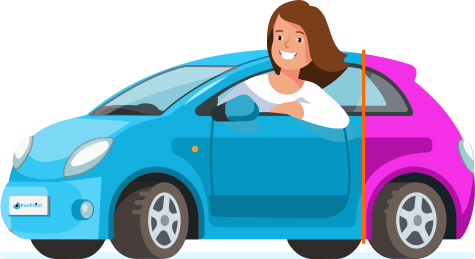
You buy a new car and finance $30,000. After a few years, you’ve paid the balance down to $25,000. But the car is now only worth $20,000. A $5,000 gap has opened up between the loan balance and the vehicle’s value. You have an accident that totals the car. Your insurance company pays out the actual cash value — $20,000 minus your deductible. GAP coverage picks up the remaining $5,000, paying off your loan. Without it, that $5,000 comes out of your pocket.
To qualify for GAP coverage with most insurers, you’ll need to carry both comprehensive and collision coverage on your policy. Those coverages establish the actual cash value payout that GAP then supplements.
When GAP Insurance Protection Makes Sense
No state requires GAP coverage, though some leasing companies build it into the finance agreement automatically. You’re not obligated to accept it through a dealer — and you should know that rolling it into a lease or loan means you’ll likely pay interest on it. Buying it through your auto insurer is usually the smarter move.
As for whether you need it, a few situations make the case clearly:
- You’re leasing your vehicle
- You made a down payment below 20% on a new car
- You financed over a long term — the longer the loan, the longer the gap can persist
- You purchased a vehicle with a known rapid depreciation curve
- You rolled a previous loan balance or trade-in fees into your new loan, meaning you may have started underwater
It’s also worth knowing what GAP doesn’t cover. It’s not a mechanical breakdown policy. Engine failure, transmission problems, and other repairs aren’t in scope. GAP is specifically designed for total loss events — theft and accidents that result in the vehicle being written off.
Gap Coverage Cost and How Long it Lasts
GAP coverage is one of the more affordable optional coverages on an auto policy — as little as $5 per month through an insurer. The cost varies by company, but relative to the exposure it covers, it’s typically well worth carrying.
Once you add it, GAP applies for the duration of your policy period. But you don’t need to keep it for the life of the loan. The coverage becomes unnecessary once your outstanding balance drops below the vehicle’s current value — at that point, you can drop it without any gap in your financial protection.
If you want to know exactly what GAP coverage would cost on your vehicle, get a car insurance quote online, and we’ll have an answer for you in minutes.

Get an Auto Insurance Quote
Compare auto insurance quotes and rates. We make it fast, safe, and secure.

- Let’s Get Started!
-
 Have an Agent Call
- Compare Business Quotes
-
Business Owners’ Policy
-
Workers’ Compensation
-
General Liability
-
Commercial Auto
-
Cyber Liability
- Personal Insurance
-
Auto
-
Home / Condo / Renters
-
Motorcycle
-
Classic Car
-
Boat / Yacht
- Quote & Buy Online
-
Small Business Insurance
-
Mexico Auto Insurance
-
Pet Insurance














Call 1-877-334-7646 to speak with an auto insurance agent.
FAQ’s: Gap Insurance Coverage
GAP insurance, also called loan/lease payoff coverage, covers the difference between your car’s actual cash value and your remaining loan or lease balance if the vehicle is totaled or stolen. Without it, you could owe money on a car you no longer have.
Generally yes — if your car is stolen and declared a total loss, GAP coverage will pay the difference between your insurer’s actual cash value payout and your outstanding loan balance, minus your deductible.
Yes. Most insurers require you to carry both comprehensive and collision coverage in order to add GAP. Those coverages establish the actual cash value settlement that GAP then supplements.
No state requires it. However, some leasing companies require it as a condition of the lease agreement. Always check your finance contract before purchasing it separately.
Buying through your auto insurer is almost always the better option. Dealer-provided GAP coverage is often rolled into your loan, which means you pay interest on it. Through an insurer, it’s a straightforward monthly addition to your premium.
Once your loan balance is equal to or less than your vehicle’s current market value, the gap no longer exists, and you can remove the coverage. You can check your vehicle’s value anytime through resources like Kelley Blue Book or NADA Guides.
Key Takeaways:
- GAP coverage pays the difference between what your car is worth and what you still owe if it’s totaled or stolen.
- Depreciation is the enemy — your loan balance drops slower than your car’s value, and GAP closes that gap.
- It’s inexpensive to add — often as little as $5/month through your auto insurer, and you can drop it once you owe less than the car is worth.